
Feb 28th, 19:46
Blog 28th February 2026
Regular readers of this blog will know that I was elected to Westmorland & Furness Council as a Liberal Democrat in the Halloween by-election in October 2024.
Last Thursday, the Council approved its 2026/27 budget in what its leaders describe as the most challenging financial climate the young authority has faced. The headline message is stark: deep government funding cuts have forced the council into difficult choices, including raising council tax and introducing new or higher charges. Officials say these measures are necessary just to keep essential services running.
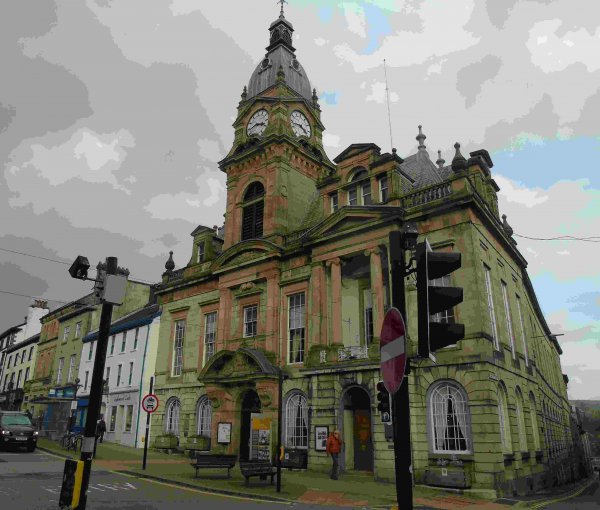
Kendal Town Hall where the budget meeting was held
Government changes under the Fair Funding Review will take £12million from next year’s funding, rising to £43million by 2028/29. The review removes longstanding adjustments that helped account for the high costs of serving rural and remote communities—something that affects Westmorland & Furness particularly hard.
Local media echoed this assessment. The Westmorland Gazette reported that the council “had no choice” but to push through significant increases to charges, citing government cuts that will leave the area with around £400 less to spend per household over the next three years.
Council Tax will increase by 4.99%. This is the maximum increase allowed without a local referendum. A Band D property will now pay £2,015 for the council’s portion of the bill. Local press widely highlighted the rise as unavoidable in the face of funding reductions.
Households choosing to use garden waste collection will now pay £60 per bin, per year. The Council has reviewed refuse collection to harmonise arrangements in the three areas covered by the legacy authorities. Originally the council planned to keep the first bin free, but the Council says that the financial situation left “no choice” but to charge for all bins.
Car parking fees will increase by around 10%, with the council saying the income is essential to maintain transport infrastructure. Ticket prices for the Windermere ferry will increase, and the longstanding free travel concession for Blue Badge holders will end.
About £5million in workforce savings are planned, including restructuring management. Council leaders described this as “hard and challenging” but necessary to preserve frontline services.
Even with £30.9million in planned savings, the council faces increasing costs in adults’ and children’s social care, home‑to‑school transport, waste services, and inflation. The budget balances next year by using reserves - something the council warns is not sustainable in the long‑term. The Section 151 Officer has assessed the financial position as “high‑risk”, with the potential need for government “Exceptional Financial Support” if pressures worsen.
The budget was approved by the majority Liberal Democrat group, supported by the Greens; but it was opposed by Labour and the Conservatives.
I spoke in the debate, mainly to highlight the challenges going forward. The text of my speech follows:
“I want to begin by thanking Councillor Jarvis, David Hodgkinson, Susan Roberts and the whole finance team for the immense amount of work that has gone into producing this budget. The scale and pace of the financial challenge this year has been exceptional, and the professionalism with which the finance team have responded must be recognised.
“This is the most difficult budget this Council has had to consider. We are all aware of the impact of the Government’s Fair Funding Review and the significant and unprecedented reduction in our grant. For Westmorland and Furness, the loss of rurality and remoteness adjustments, alongside unrealistic assumptions about local taxbase growth, has created a funding gap for 2026/27 that increases to £33million by 2028/29 even after this year’s savings are taken account of. In addition, we must manage the ever-increasing needs in services including children’s services and adult social care. These are not financial challenges of our own making, but they are challenges we must manage responsibly.
“Against that backdrop, Cabinet has presented a sensible and lawful approach to balancing the budget for 2026/27. It is a difficult budget, but it is a credible one. However, what it is not - and what none of us should pretend it is - is the end of the story. The real work starts now.
“Delivering the savings in this budget is now critical. We cannot simply agree these savings; we must achieve them. And beyond this year, we face a further £33million of savings to find over the next two years. That scale of challenge cannot be met through traditional methods. It will require a fundamental shift in how the Council manages its resources, plans services, and measures outcomes.
“We must modernise our financial management. We need consistent, timely budget monitoring and clear lines of accountability so that emerging risks are identified early and acted upon promptly. We need good management accounting to support service planning, transformation programmes and options appraisals. And we must be open to new approaches—whether that’s zero‑based budgeting, activity‑based budgeting, beyond budgeting, or other modern techniques that help us understand the true cost and value of what we do and to budget for them and manage them accordingly.
“But improving the way we budget is only part of the answer. We must also transform the way we work across the council. The cross‑cutting themes identified in the Budget: workforce efficiency, digitalisation, better procurement, redesign of processes, optimisation of assets, and income generation must now move from ideas to delivery. These is not desirable, it is essential.
“And as we do this, we must maintain a relentless focus on outcomes for our communities. Every pound we spend, and every pound we save, must support the priorities in our Council Plan: strong communities, a healthier and fairer place, a sustainable environment, and an inclusive economy. Even with fewer resources, we have a responsibility to protect the most vulnerable and to design services that add real value to the places we serve.
“Scrutiny and audit will play a vital role in all of this. Our scrutiny committees and audit committee must continue to challenge constructively, test assumptions, monitor the delivery of savings, and ensure that transformation is happening at the pace required. Scrutiny and audit are here to help the Council succeed. And good scrutiny and audit - evidence‑based, independent and forward‑looking - is one of the best ways to strengthen financial resilience.
“Despite the severity of the financial context, I am confident the cabinet has taken the right decisions when considering this budget. The budget before us is difficult, but it is honest, and it provides a foundation for the transformation we now need to deliver. It will take transparency and a collective willingness to do things differently. But if we do that, if we modernise, if we challenge ourselves, and if we stay focused on outcomes, we can not only meet our financial challenges but also improve services and emerge stronger and more effective.
“For all those reasons, and in the interests of sound financial management, I encourage Members to support this budget.”