
Dec 12th 2025, 16:39
Blog 12th December 2025
This week I write about the Social Housing Peer Challenge at Thurrock Council and the Local Nature Recovery Strategy that has been developed by Westmorland & Furness Council.
I was part of the Local Government Association’s Social Housing Peer Challenge team that visited Thurrock Council in Essex in late September and early October. The purpose of a peer challenge is that people with experience in local government visit a local authority to act as ‘critical friends’ who review what is going on and make recommendations. Peer reviews have been an important part of continuous improvement in local government for over ten years and I have been pleased to assist the Local Government Association in this by writing financial briefings and being part of review teams.
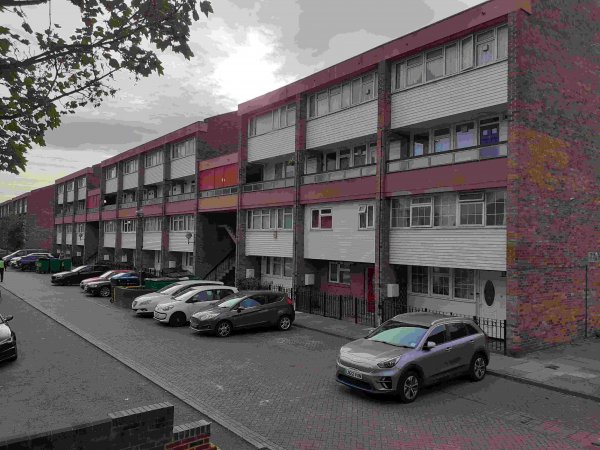
Council Flats in Thurrock.
We found the housing service at a critical phase of transformation. While there was much to commend - dedicated staff delivering some really important services supporting tenants and residents, a healthy Housing Revenue Account, and improvement plans already underway - the service faces significant challenges that must be addressed to meet regulatory expectations and deliver a tenant / resident-first approach.
We made seven recommendations that are being considered by the Council’s cabinet next week. These are:
A copy of our report is available on the Local Government Association website at: https://democracy.thurrock.gov.uk/documents/s50610/Appendix%201%20-%20Thurrock%20Social%20Housing%20Peer%20Challenge%20report.pdf
More information about my work for the Local Government Association is available on my website at: https://awics.co.uk/local-government-association-peer-reviews
Last week I went to the launch of the Cumbria Local Nature Recovery Strategy (LNRS) in Penrith. This strategy has been developed by Westmorland & Furness Council (where I am a councillor) in partnership with Cumberland Council, the Lake District National Park, the Yorkshire Dales National Park and Natural England.
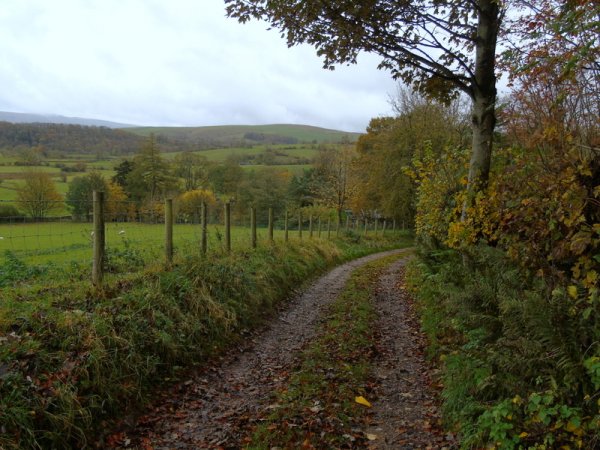
Countryside near Crosby Garrett, Westmorland.
England is widely considered to be one of the most nature depleted countries in the world. We have lost 97% of flower rich meadows since the 1950s, hedgehogs are now an endangered species and one in six species in Britain are at risk of extinction.
The LNRS sets out priorities for nature recovery. It identifies and maps where actions known as potential measures, can have the biggest positive impact. By using evidence, data, expert opinion, and by listening to what’s important to people and communities, the LNRS makes it easier to plan and take action at a local level.
There are two elements to the LNRS: The Statement of Biodiversity Priorities and the Local Habitat Map that shows where taking action for nature will have the most positive impact. The two parts work together and should be used collectively when informing decision making.
The Strategy includes plans for:
The vision is that:
“Cumbria’s natural environment is in landscape scale recovery, with a mosaic of wildlife rich habitats that are managed sustainably to create a network that is resilient to climate change, helps plants and animals thrive, and provides valuable services to local communities and the economy.”
More information is available online at: https://cumbrialnrs.org.uk/statement-biodiversity-priorities