
Mar 15th, 14:36
Blog 15th March 2026
Last week I went to a conference in Birmingham that considered the opportunities that Local Authority Trading Companies (LATCos) offer to local authorities.
LATCos: Lessons from a Decade of Practice and the Opportunities Ahead
Local Authority Trading Companies have become an increasingly important part of the public service delivery landscape. Over 60% of councils now operate at least one LATCo, many with multiple entities serving different functions. The conference brought together practitioners, legal experts and leaders from established companies to reflect on successes, failures and future opportunities.
What emerged was a clear message: LATCos can create real value, but only when purpose, governance and commercial discipline align.
1. The Journey So Far: What the Last Decade Has Taught Us
LATCos sit within a long history of local government commercialism—stretching back to Joseph Chamberlain, through compulsory competitive tendering, outsourcing, privatisation and austerity. The Localism Act 2011 then provided councils with the power and confidence to establish trading companies aimed at both generating profit and improving service delivery.
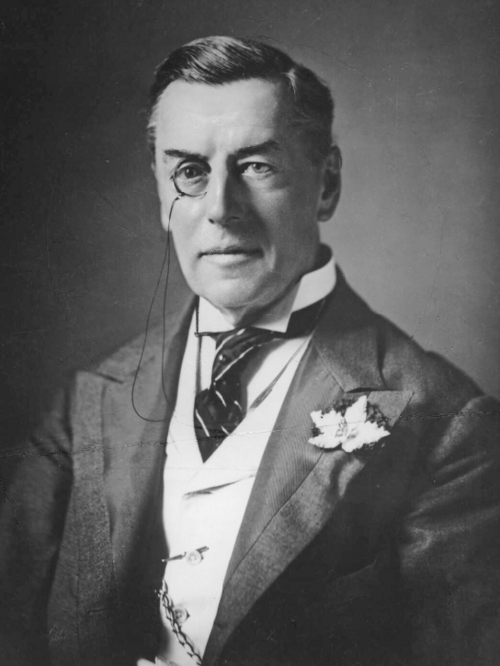 Joseph Chamberlain
Some, such as Norse, have delivered substantial savings and long‑term value. Others have struggled, often due to weak governance, unclear freedoms, unrealistic expectations or risky market choices. Successful LATCos tend to demonstrate:
Where these conditions are missing, business plans diverge, political ambitions outstrip capability, and responsiveness to market pressures becomes too slow—particularly where boards are composed solely of councillors and officers rather than independent commercial expertise.
2. LATCos as Vehicles for Growth and Stability
One of the conference’s strongest conclusions was that LATCos are often better able than councils to navigate the complexity of modern local government. With defined governance structures, clearer cost bases and the ability to adapt quickly, they can provide operational stability during periods of reorganisation and transition.
The Suffolk Group, for example, has grown significantly since 2011, now generating over £200million in turnover and returning £6million a year in dividends to Suffolk County Council—while also delivering discounted services and social value. Similarly, Oxford Direct Services (ODS) demonstrates how commercial discipline, a social mission and reinvestment can generate both financial and community benefits—including surpluses, savings through digital innovation, and resilience in the face of rising costs. These examples reinforce the view that commercial focus and public purpose are not mutually exclusive, and that LATCos can be structured to deliver both.
3. The Power of Public–Private Partnerships
Gateway Fourteen, formed by Mid Suffolk District Council, showed how strategic risk‑mitigation—not risk aversion—can unlock substantial economic returns. After purchasing land for £20million and investing a further £18million in infrastructure, the LATCo generated £38million in profit, with potential for £40million more, while also delivering a 20% biodiversity gain and town‑centre regeneration funding. The key insight here: skills, culture and risk appetite matter. Bringing in people with the right expertise was described as the single most effective risk‑mitigation strategy.
4. People, Culture and the “Hedgehog” Principle
LATCos succeed not simply because their governance is right, but because the culture is right. Culture, as the conference reminded attendees, “eats strategy for breakfast”. Successful organisations focus intensely on the one thing they can be better at than anyone else—their “hedgehog” concept. The sector faces well‑known recruitment challenges, and the need for clear Employer Value Propositions is growing. Interestingly, many employees are drawn to LATCos precisely because they combine public purpose with commercial flexibility—yet most LATCo staff are not on local government terms and conditions, and performance‑related pay remains rare.
5. Legal and Governance Foundations: Getting Them Right
Legally, councils can draw on a range of powers and corporate structures when establishing trading companies, but must maintain clear business cases, business plans and governance documentation. Getting the balance between control and freedom right is essential, particularly in relation to procurement and the Teckal exemption, which treats certain LATCo contracts as insourcing. Governance failures often stem from shareholder over‑reach or under‑reach. The best performing LATCos demonstrate:
“Don’t control more—govern better” was a recurring theme.
6. What This Means for Councils Today
The conference highlighted significant opportunities for councils to expand LATCo use—particularly where commercial capability, operational discipline and public purpose align. As one observer noted, the development of LATCos offers councils the potential to deliver improved services at lower cost, while also generating additional revenue. Potential areas for exploration include:
 Social Housing
But the biggest insight may be this: commercial culture matters inside councils too, not just within LATCos.
Conclusion
LATCos are neither a silver bullet nor a guaranteed success—but when structured well, governed well and culturally aligned, they can be powerful vehicles for delivering public value with commercial discipline. They provide agility, resilience and a route to sustainable financial returns, while maintaining a clear link to place‑based social purpose. For councils facing financial pressure, increasing complexity and rising service demands, LATCos offer an opportunity worth revisiting with fresh eyes.